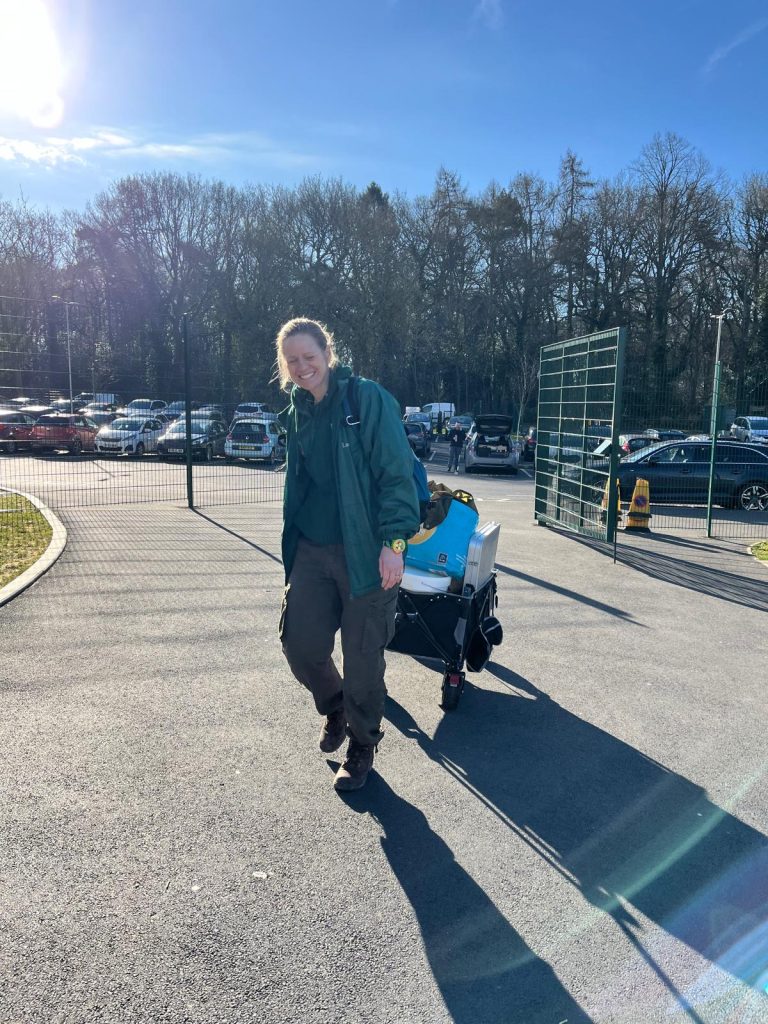
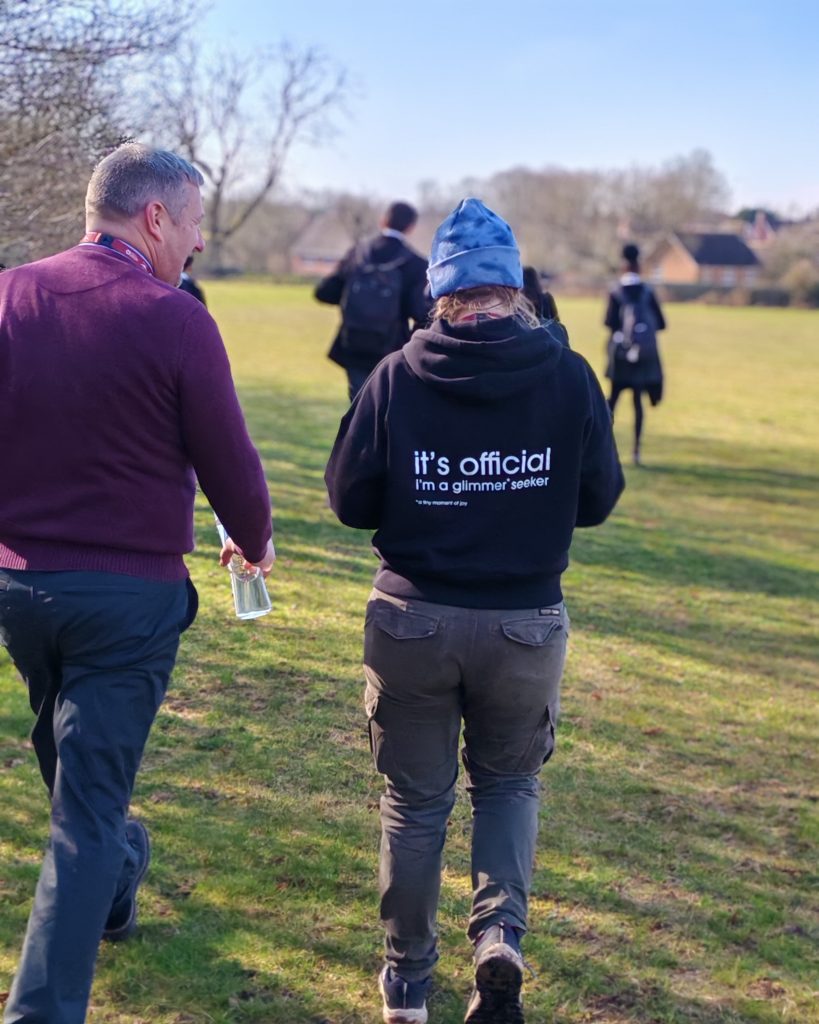
Five-week “In the Wild” programme conducted with three Year 8 classes (totalling approximately 90 learner), supported by Coach Anna.
Key Observations and Outcomes
- The ability to be present
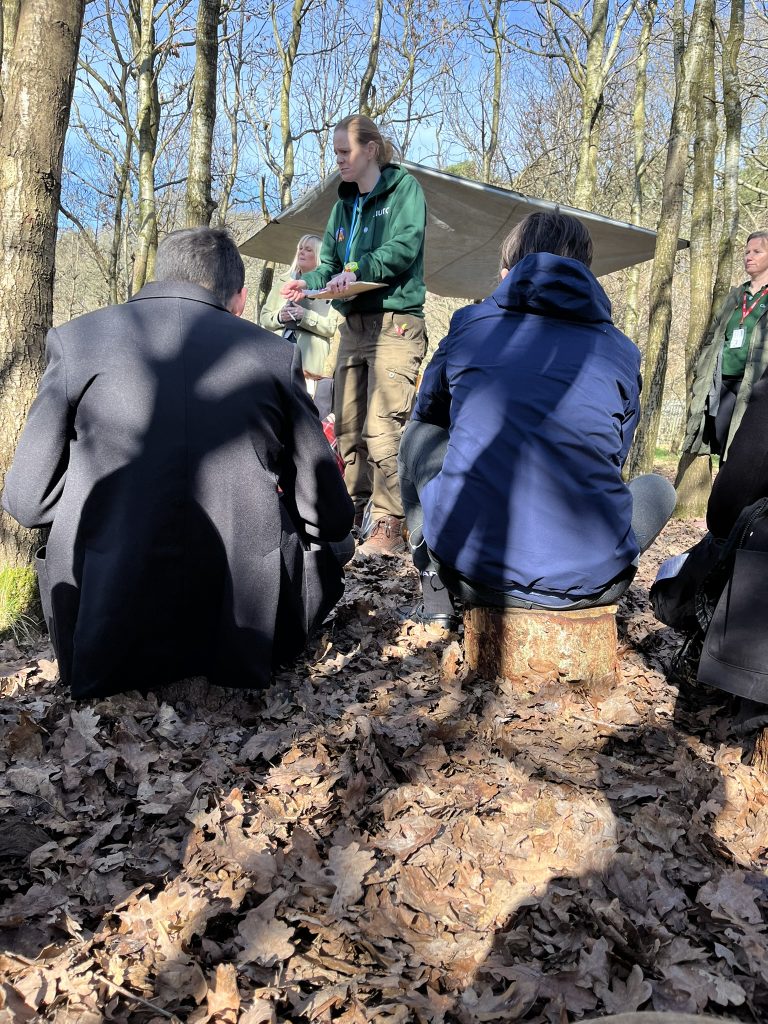
- Engaging Learners and Addressing Classroom Challenges: Initial teacher feedback highlighted that many Year 8 learners struggled in traditional classroom settings. The outdoor sessions effectively engaged these learners, with the teacher noting their enthusiastic participation and improved listening skills, attributing this positive shift to being in nature.
- Teacher Wellbeing and Engagement: One teacher expressed great enthusiasm for participating in the outdoor sessions, having previously spoken to another teacher about the positive impact on Year 7, he had wanted to be involved too, for his own wellbeing and the leaners he supports. This highlights the programme’s benefit for staff wellbeing and their willingness to engage with alternative learning environments.
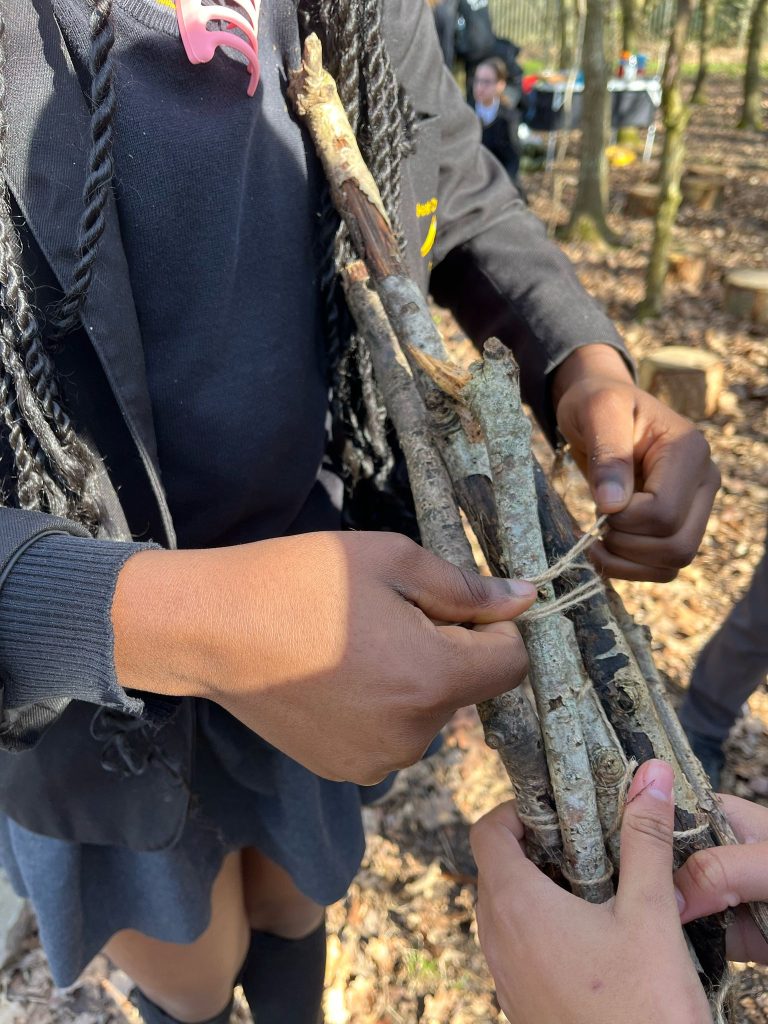
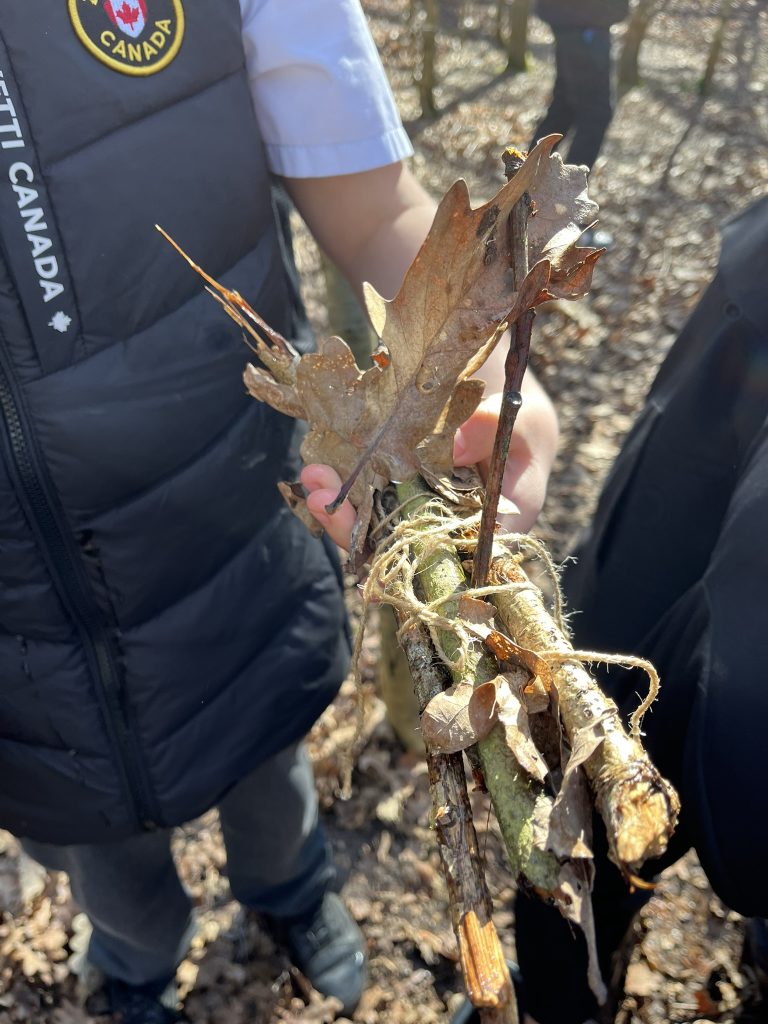
- Developing Essential Skills – “Great to see learners’ confidence improve as they persevered with the task.”
- Cultivating Respect for Nature
- Promoting Care and Connection
- Addressing Limited Winter Outdoor Experiences
- Encouraging Teamwork and Kindness
- Promoting Calm and Emotional Regulation
- Positive Learner Feedback (Verbal): Several girls spontaneously thanked the facilitators after a session, expressing their enjoyment and appreciation for the opportunity to be outside in the fresh air.
Educator Survey Feedback:
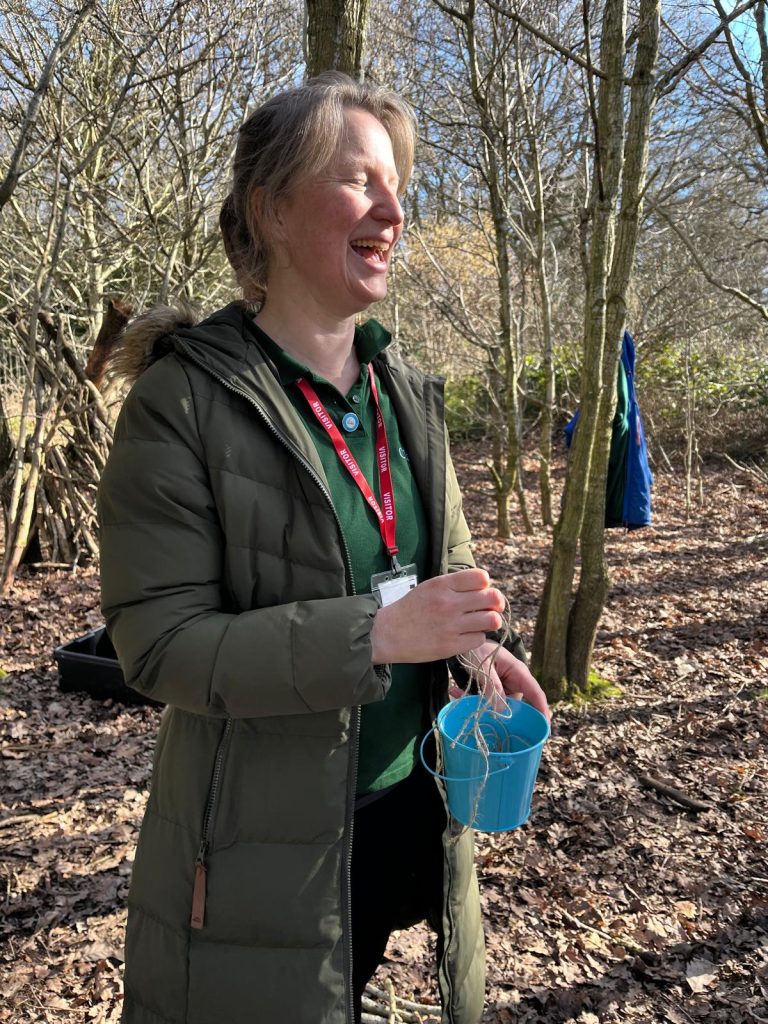
- Enjoyment of Nature and Seeing Learners Differently: Educators reported enjoying being outside in nature and observing learners in a different light. They also personally benefited from the sessions as a “breather” during a busy day.
- Surprise at Universal Need and Value of Conversations: Educators were surprised by the universal need for such sessions. They highlighted the value of the conversations sparked by the tasks, emphasising a return to basic interactions, respect, and mutual support, free from mobile phone distractions.
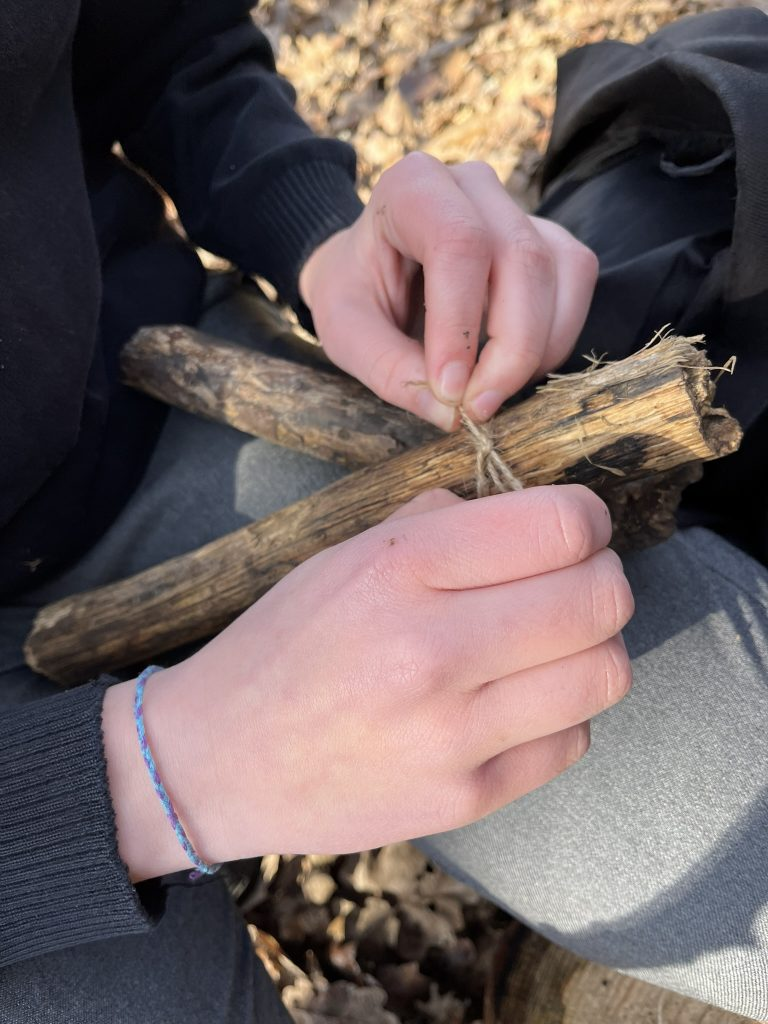
“The whole thing was lovely, it wasn’t just what they were doing, it was the chat they were having with each other then how proud they were of the things that they’d built… they just lost themselves in it and I loved it.”
“I was surprised at how we all needed this. The tasks were great but what was really nice was the conversations they promoted. Watching them debate about a stick being a dragons tooth and one of them trying to find a better version was heartwarming conversation. It took the kids right back to basics and they were respectful and interested in each other and helping each other. Not a mobile phone in sight.”
- Increased Personal Engagement with Nature: 100% of surveyed educators reported being encouraged to spend more time in nature as a result of the programme.
- Recognition of Programme Value: 100% of surveyed educators agreed that the school could benefit from more “In the Wild” sessions.
Conclusion:
The five-week “In the Wild” programme with Year 8 learners was a resounding success. It effectively engaged learners who may struggle in traditional classroom settings, fostered a respect for nature, developed essential life skills, promoted teamwork and kindness, and cultivated valuable skills in being present and accessing calm. The positive feedback from both learners and educators, including the reported increase in personal engagement with nature among staff and the recognition of the programme’s broader benefit to the school, strongly supports the continuation and potential expansion of this initiative. The programme proved effective in early identification of learners needing further support, while also significantly improving the cohort’s immediate wellbeing