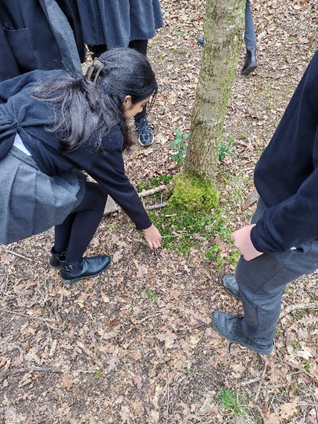
We ran sessions in March, for five weeks, with a small groups of learners identified with Special Educational Needs, or other additional learning needs (mainly year 8 & 9 and some year 7). One off sessions (on demand) were also provided for 2-3 learners requiring immediate emotional regulation support to remain engaged in school.
Key Observations and Outcomes:
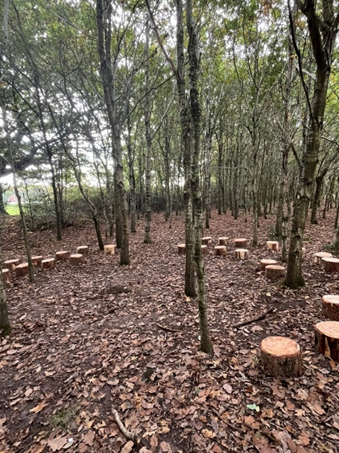
- Cultivating Safety: The programme fostered a vital sense of security, particularly for learners who reported feeling unsafe outdoors locally. The supported transition to the school’s woodland offered a nurturing space for exploration, building self-confidence and life skills, resulting in increased relaxation, engagement, and trust among previously withdrawn learners.
- Supporting Emotional Literacy
- Building Meaningful Connections
- Empowering Self-Regulation
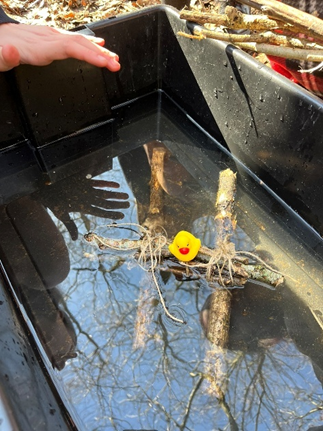
- Addressing Environmental Barriers: The programme highlighted the limited access to natural light and outdoor spaces for some learners, underscoring the essential role of “In the Wild” sessions in providing these crucial sensory and wellbeing opportunities. The consistent popularity of tactile activities like digging and mud painting for sensory release was also noted.
- Providing Flexible Support
- Being in the Present Moment
- Offering Flexible and Responsive Opportunities:
Learner Feedback Highlights:
Direct quotes from learners consistently emphasized the positive impact of the programme, highlighting feelings of joy, relaxation, and a newfound appreciation for nature and specific activities like digging:
- “I love nature and it felt amazing.”
- “I found out I like digging, and I got to come out to the forest.”
- “It feels good, and relaxing.”
- “I found out today I love being in nature.”
- “I love doing this, I love digging holes”
- A quiet lad, facing a challenging home life, found immense peace in simply being quiet in nature during our sessions. When asked about his happy place, he identified it as being amongst the trees with us – a truly touching moment highlighting the sanctuary provided.
- “Because I have enjoyed being out here with you I wanted to go and do more of it,” shared a learner with a difficult home life, explaining his weekend spent playing in the woods and building dens – a direct result of our programme.
Teacher Feedback Highlights:
Teachers reported feeling significantly calmer and more relaxed after participating in the sessions. They also observed positive changes in learner behaviour, emotional regulation, and engagement, often noting the unique benefits of the outdoor environment for learners with limited access to nature.
- One teacher, initially feeling stressed, reported feeling “lovely,” “calm,” and “relaxed” after the session, attributing this to the fresh air and natural smells.
- Reflecting on the post-lockdown session, a teacher noted, “Today was particularly good because it gave the children the chance to connect with nature… They came… quite agitated… and then they’re leaving, feeling really happy.”
- A teacher working in the Nest shared, “Being in that room all day gives me headaches, so these sessions are amazing for me. I absolutely loved getting outside.”
Conclusion:
The In the Wild programme, including micro-sessions, continued to significantly benefit the wellbeing and emotional regulation of SEN learners by providing access to nature, self-regulation tools, safety, emotional exploration, meaningful connections, and a focus on the present moment. The consistent positive feedback from all stakeholders underscores the vital role of such interventions in the holistic development of learners with additional needs.